
How Brands Inflate Protein Numbers (And How to Spot It)
Nitrogen spiking. Moisture games. Serving-size sleight of hand. The legal tricks that make your protein tub lie to your face.

I was standing in a supplement store comparing two tubs. Same scoop size, same price, but one claimed 24g of protein per serving and the other 26g. The maths felt off, so I turned both around and read the back labels.
The 26g tub had a heavier scoop. Slightly different serving size. Buried in a footnote, it was using a 38g serving instead of 32g. Per-100-gram protein content? The 24g tub actually had more. The "higher protein" claim was a marketing illusion, completely legal, and almost impossible to spot at a glance.
This is the most common form of label manipulation in the Indian supplement market, and it's far from the only one. Below: the five tactics brands legally use to make their tubs look better than they are.
1. Serving-size manipulation
The most basic trick. The "protein per serving" number on the front depends entirely on what the brand decides counts as a serving. Bigger scoop, bigger serving, bigger number on the front. Same protein density, but the headline figure looks better.
How to spot it: Ignore "per serving" entirely. Look at protein content per 100 grams. This is the only number that lets you compare two products honestly.
2. Nitrogen spiking
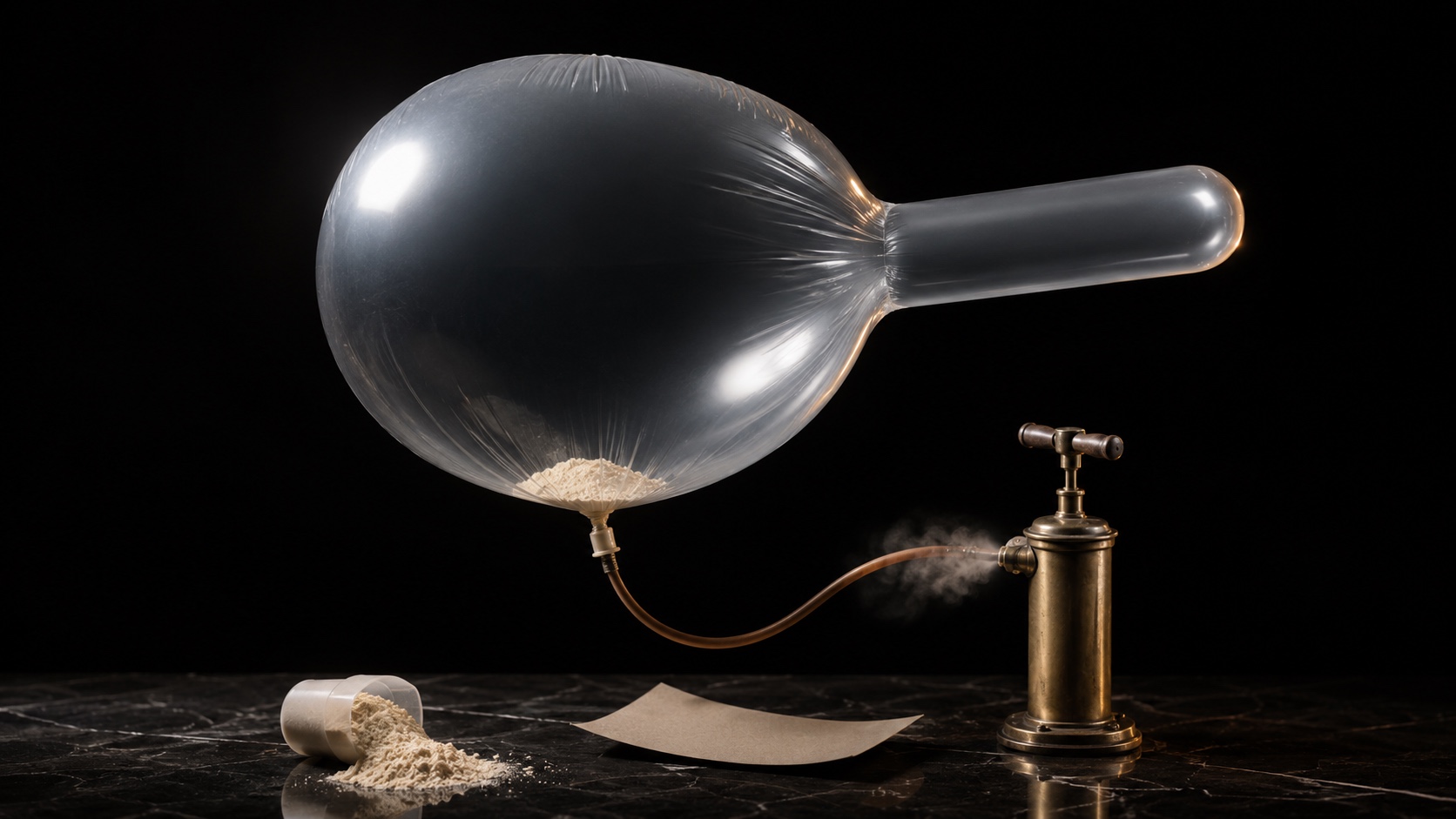
Most protein tests in labs measure total nitrogen content, not protein specifically. Brands can add cheap nitrogen-rich amino acids like glycine or taurine, or even non-protein nitrogen sources, to artificially inflate the "protein" reading in routine quality tests.
These additions cost cents per kilogram. They show up as protein on the label. They build basically zero muscle.
How to spot it: Look for products with verified third-party amino acid breakdowns. Labdoor, Informed Choice, and NABL-certified products test for actual amino acid profile, not just nitrogen.
3. Moisture content games
Here's an obscure one. Powders with higher residual moisture can appear to have better protein-per-serving on paper because the calculation excludes water. But you're paying for water, not protein.
How to spot it: Compare per-100-gram protein content across brands. Suspiciously high "per-serving" protein on a brand with low per-100-gram density is a red flag.
4. Proprietary blends
"Advanced anabolic protein matrix, 30g" sounds impressive. But what's inside the matrix? You don't get to know, the blend hides individual ingredient quantities behind a marketing umbrella.
Brands lean on this trick to mix small amounts of premium-sounding ingredients (whey isolate, hydrolysed peptides) with large amounts of cheap fillers (soy protein, gelatin). The total grams look great. The actual breakdown doesn't exist on the label.
How to spot it: Reject proprietary blends. Buy products that list each ingredient with its individual quantity.
5. The "advanced anabolic ultra matrix" effect
Pure marketing fluff that tells you nothing. Words like "advanced", "ultra", "elite", "max", "pro", "anabolic", "rapid" mean nothing measurable. They're placed on tubs because they cost ₹0 to print and reliably increase perceived value.
How to spot it: Anytime a product name reads like it was generated by spinning a marketing wheel, treat the back label with extra suspicion. Legitimate products tend to have boring names: "Whey Protein Concentrate", "Isolate", "Hydrolysed Whey". Honest is rarely loud.
What you should actually check on a label
- Protein per 100g, the only universal comparison metric.
- Whey concentrate should be > 70% protein density. Isolate should be substantially higher.
- Ingredient list: whey concentrate or isolate should be the first ingredient.
- Third-party testing references, specific organisations, not vague "lab tested" logos.
- Price-to-protein-per-gram ratio across competing options.
Why this matters more than it sounds
If your tub is inflated by even 20%, which is well within the norm in the Indian market, and you take 2 scoops a day, you're missing 10g of real protein daily. Across a year, that's 3.65 kilograms of protein you thought you ate but didn't.
That's how plateaus get blamed on workouts.
Big protein numbers sell tubs. Clean labels build muscle.
The takeaway
Front-of-pack claims are marketing. Per-100-gram protein content, third-party certifications, and clean ingredient lists are what actually matter. Train your eye to look past the loud bits and read the boring details. The boring details are where the truth lives.

Written by
Whey2Much
India's smartest supplement price comparison platform. We track real-time prices across the country's top retailers so you never overpay.
Keep reading
More from the journal.
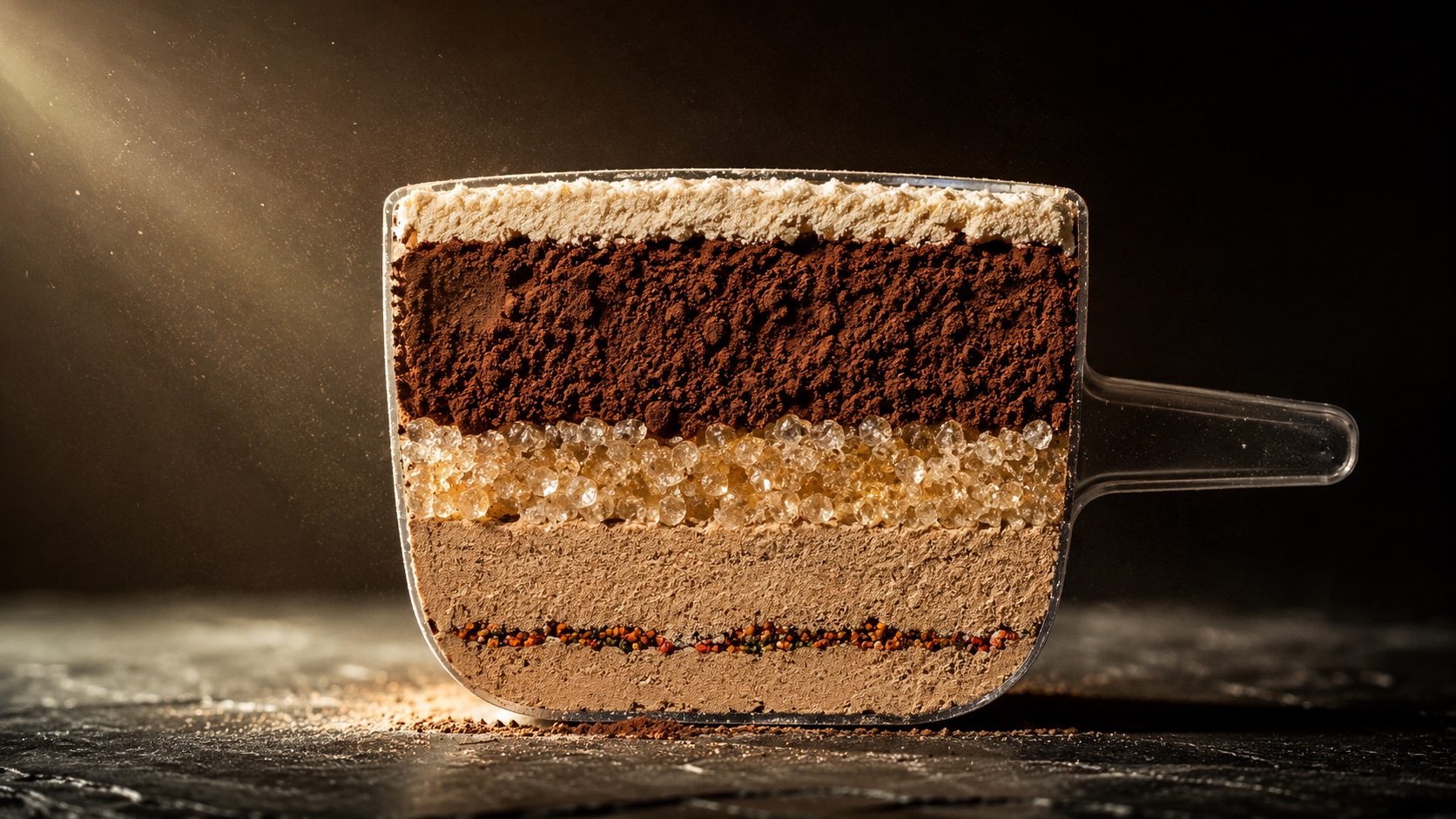
What Is Actually Inside Your Whey Protein Scoop?
A whey protein scoop is a complete formula, not 25g of pure protein. Here is what the ingredients actually are, the scoop-size trick brands use, and what to check before you buy.
What Does 'FSSAI Approved' Actually Mean on Your Protein Powder?
FSSAI approved does not mean lab tested or protein verified. Here is what an FSSAI licence actually certifies on Indian supplements, and how to check one yourself.

Why You Look Bigger at the Gym Than at Home (Mirrors, Lighting & the Pump)
You look leaner and broader at the gym, then somehow smaller at home an hour later. Your body did not change, the gym lighting, mirror angles, and muscle pump did. Here is exactly why.